The Architectural Charm of Queen Elizabeth II Stadium A Journey Through its Art Deco Heritage

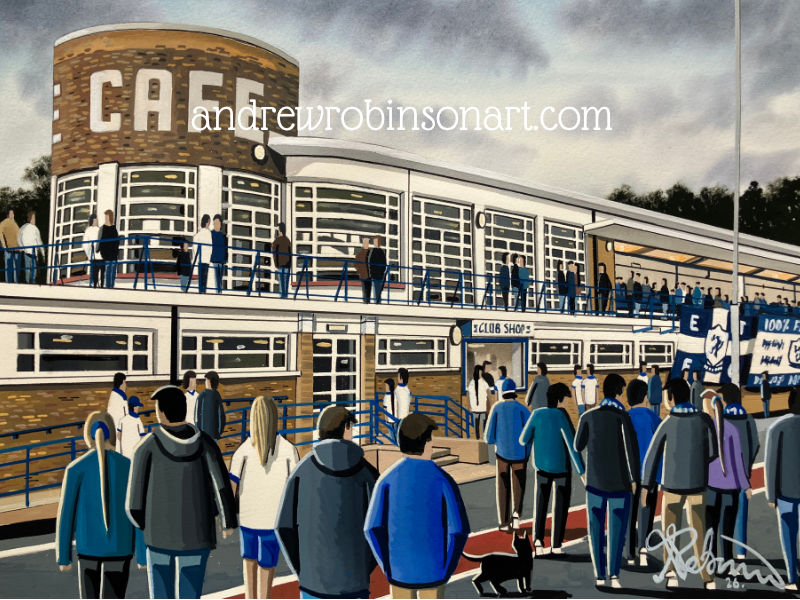
The Queen Elizabeth II Stadium, home to Enfield Town F.C., stands out as a unique piece of architectural history. Its design captures the essence of the Art Deco style, a movement known for its bold geometric shapes and elegant lines. Although construction began in the 1930s, the stadium was not fully completed until 1953 due to the interruption caused by World War II. This delay adds a fascinating layer to its story, blending pre-war ambitions with post-war realities. The stadium’s Grade II listing highlights its cultural and architectural importance, preserving its character for future generations.
Origins and Historical Context
The Queen Elizabeth II Stadium’s story begins in the 1930s, a period when Art Deco was at its peak in Britain. This style emerged as a response to the ornate designs of the past, favoring streamlined forms and modern materials. The stadium’s initial design reflected this trend, aiming to create a modern sports venue that would stand out in the local landscape.
However, the outbreak of World War II halted construction. The war’s impact on Britain’s economy and resources meant many building projects were postponed or abandoned. For the stadium, this meant a long pause in development. When work resumed after the war, the design had to adapt to new realities, including material shortages and changing architectural tastes. Despite these challenges, the stadium retained its original Art Deco spirit, making it a rare example of this style in a sports setting.
Architectural Features That Define Its Style
The stadium’s architecture showcases several key elements typical of Art Deco:
Geometric shapes: The use of strong, clean lines and symmetrical forms gives the building a sense of order and modernity.
Streamlined surfaces: Smooth walls and rounded corners reduce visual clutter and emphasize simplicity.
Decorative motifs: Subtle patterns and reliefs add texture without overwhelming the design.
Use of glass and steel: These materials highlight the industrial progress of the era and allow for light-filled spaces.
One of the most striking features is the stadium’s facade, which combines vertical and horizontal elements to create a balanced composition. The entrance area, with its stepped forms and stylized details, invites visitors into a space that feels both grand and approachable.
The Stadium’s Role in the Community
Beyond its architectural significance, the Queen Elizabeth II Stadium serves as a hub for local sports and community events. Enfield Town F.C. has a dedicated fan base, and the stadium provides a venue where people come together to support their team and enjoy shared experiences.
The Grade II listing helps protect the stadium’s character, ensuring that any renovations respect its historical value. This status also raises awareness of the building’s importance, encouraging preservation efforts and educational initiatives.
Challenges and Preservation Efforts
Maintaining a historic stadium presents unique challenges. Balancing modern needs with preservation requires careful planning. For example:
Upgrading facilities to meet current safety standards without altering original design features.
Using materials that match the original construction while improving durability.
Ensuring accessibility for all visitors while respecting the building’s layout.
Local authorities and heritage organizations work closely with the club to address these issues. Their efforts ensure the stadium remains functional and welcoming while honoring its past.
Artistic Inspiration and Personal Reflection
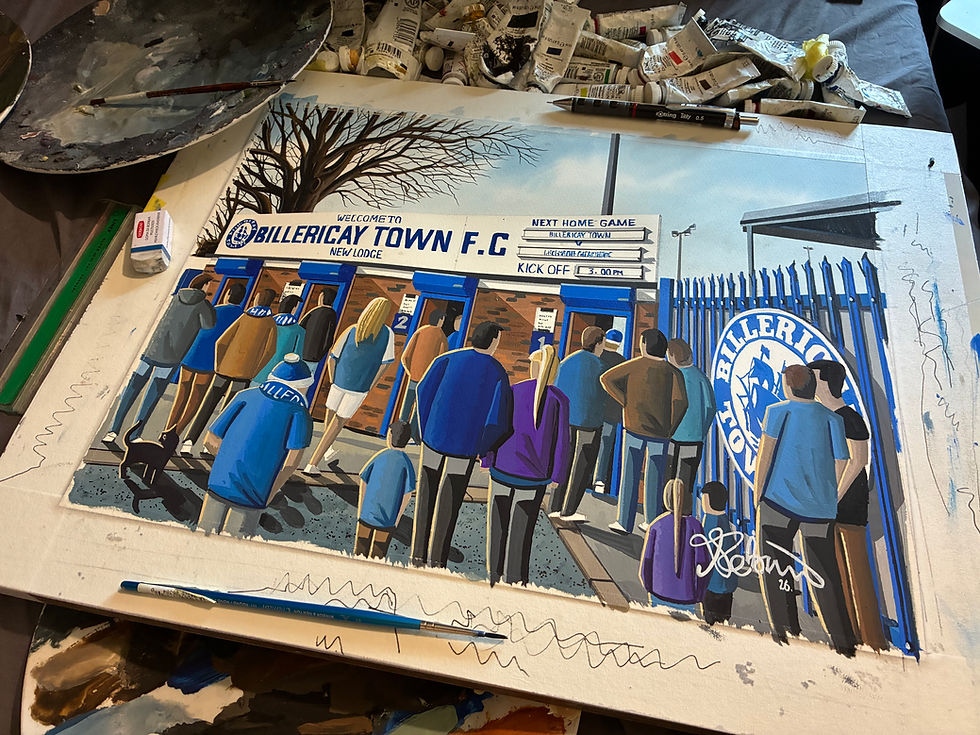
Completing a painting of the Queen Elizabeth II Stadium allowed me to explore its architectural charm in detail. Capturing the interplay of light and shadow on its geometric surfaces revealed the subtle beauty of the Art Deco style. The stadium’s history, visible in its unfinished edges and later additions, tells a story of resilience and adaptation.
This project deepened my appreciation for how architecture reflects cultural moments. The stadium is more than a sports venue; it is a physical record of a community’s journey through time.
Visiting the Stadium Today
For those interested in architecture or football history, visiting the Queen Elizabeth II Stadium offers a unique experience. Walking around the site, you can observe the blend of 1930s design with post-war modifications. The atmosphere during match days adds to the sense of connection between past and present.
Final Thoughts on the Stadium’s Legacy
The Queen Elizabeth II Stadium stands as a rare example of Art Deco architecture in a sports setting, enriched by its complex history. Its Grade II listing ensures that this heritage will be preserved, allowing future generations to appreciate its design and significance.
For anyone passionate about architecture, history, or football, the stadium offers a compelling story of ambition, interruption, and renewal. It reminds us how buildings can capture moments in time and continue to inspire long after their construction ends.