The Rise of Human Art: A Call for an Icon to Distinguish Real Creativity from AI. (NO TO AI GENERATED ART)

Updated: Jul 12

The art world is facing a growing challenge. As AI-generated art becomes more common, many artists and collectors worry about the loss of authenticity and the unique value of human-created works. Recently, a BBC article highlighted a backlash against AI in the arts sector and called for an internationally recognised symbol to clearly mark whether a piece of art is human-made or computer-generated. This idea resonates deeply with me. This is my own logo design above.. Intentionally rustically hand painted and added to a white background to symbolise purity, truth and trust.
The BBC article can be seen here. https://www.bbc.co.uk/news/articles/cj0d6el50ppo
Why Human Art Still Matters
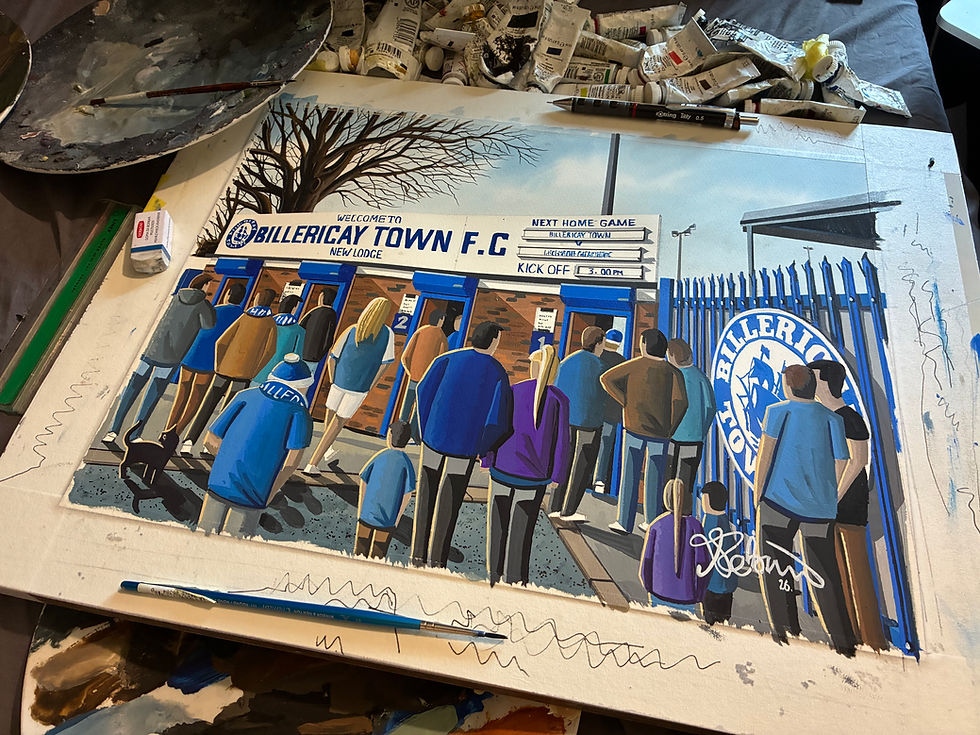
Human-created art carries a distinct value that AI art cannot replicate. When an artist paints, sculpts, or draws, they infuse their work with personal experience, emotion, and intention. This connection creates a story behind each piece, making it collectible and meaningful as a gift. Collectors often seek the artist’s signature or provenance to confirm authenticity, which adds to the artwork’s worth.
AI art, while impressive in technique, lacks this personal narrative. It is generated through algorithms and data patterns, not lived experience or emotion. This difference affects how people perceive and value art. Many buyers want to support human creativity and craftsmanship, not just the final image.
The Need for a Clear Identifier
The BBC article pointed out a growing demand for a clear, internationally recognized icon to indicate the origin of artwork. This would help:
Buyers make informed decisions
Artists protect their creative identity
Collectors maintain the value of authentic pieces
The public understand the difference between human and AI art
Without such a symbol, confusion will increase. Some sellers might misuse AI art and claim it is human-made, while others may hide the use of AI tools. A trusted icon would create transparency and trust in the art market.
Challenges in Implementing a Universal Icon
Creating a universal symbol for human art faces several challenges:
Agreement among artists and organizations: The art community is diverse, and reaching consensus on a single icon may take time.
Verification process: There needs to be a reliable way to verify that a piece is truly human-made before the icon is applied.
Enforcement: Preventing misuse or false claims requires monitoring and possibly legal measures.
Global recognition: The icon must be simple, clear, and easily understood across cultures and languages.
Despite these hurdles, the benefits of such a symbol outweigh the difficulties. It would protect artists’ rights and preserve the integrity of human creativity.
Examples of Similar Initiatives
Other creative fields have faced similar challenges and developed identifiers:
Fair Trade labels in food and crafts assure consumers about ethical production.
Certified organic logos help buyers identify genuine organic products.
Creative Commons licenses clarify usage rights for digital content.
These examples show that clear, trusted symbols can influence markets and consumer behavior positively. The art world can learn from these models to create a trustworthy icon for human art.
How Artists and Buyers Can Support This Movement
Artists and buyers can play a key role in promoting transparency:
Artists can adopt and display the "No to AI Generated Art" logo or similar symbols on their platforms.
Buyers should ask sellers about the origin of the artwork and look for authenticity markers.
Galleries and marketplaces can require clear labeling of AI-generated works.
Art organisations can advocate for standards and verification systems.
By working together, the community can protect the value and meaning of human-created art.
The Future of Art in a Mixed World
AI will continue to influence art creation, offering new tools and possibilities. Some artists may embrace AI as part of their process, while others will focus on traditional methods. Both approaches can coexist, but clear distinctions are necessary.
A universal icon marking human art would help maintain respect for the skill, emotion, and story behind each piece. It would also help buyers make choices aligned with their values.
Final Thoughts
The rise of AI-generated art challenges the art World to rethink how we define creativity and authenticity. A clear, internationally recognised icon to identify human-made art is a practical and necessary solution. I have generated my own "No to AI Generated Art" Logo. (Hand painted and a white background added using Affinity Photo)