Transforming Art into Currency: My Journey to Design Royal Mail Stamps

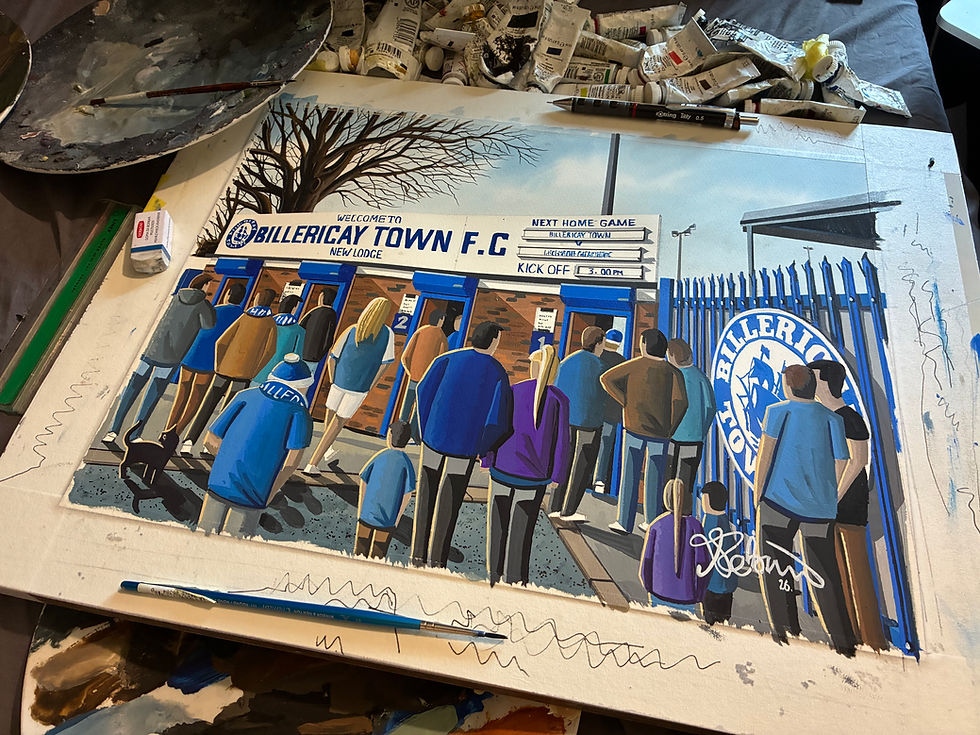
When a follower suggested I submit a collection of my paintings to Royal Mail for stamp production, I was intrigued but unaware of the complexity behind the process. I soon discovered that designing stamps for Royal Mail is a long journey, often taking between two and five years from concept to issue. This post shares what I learned about the Royal Mail stamp production process, the challenges involved, and how I created mock-ups of my paintings as stamps to imagine what they might look like.
Understanding the Royal Mail Stamp Production Process
Designing stamps for Royal Mail is not as simple as submitting artwork and waiting for approval. The process involves multiple stages, each with strict criteria and oversight.
Long lead times: Royal Mail plans its stamp issues years in advance. This means any design submitted today might not be considered for release until several years later.
Selection committees: Designs go through several rounds of review by expert committees. These groups evaluate artistic quality, relevance, and how well the design fits the theme of the stamp issue.
Royal approval: The final sign-off for stamp designs comes from King Charles himself. This adds a layer of formality and tradition to the process.
Technical requirements: Stamps must meet specific size, colour, and printing standards. Designs need to be clear and recognisable at a small scale.
This rigorous process ensures that every stamp issued by Royal Mail is a carefully chosen piece of art and history.
Why Stamps Matter as a Medium for Art
Stamps are tiny canvases that travel the world, carrying images that represent culture, history, and creativity. Designing stamps offers artists a unique chance to:
Reach a wide audience beyond traditional galleries
Create lasting works that become collectibles
Celebrate themes or stories important to society
For me, the idea of transforming my paintings into stamps was exciting because it meant my art could become part of everyday life and history.
Creating My Own Stamp Mock-Ups
To visualise how my paintings might look as Royal Mail stamps, I created digital mock-ups. Here’s how I approached it:
Choosing paintings: I selected pieces with strong colours and clear shapes that would be visible at a small size.
Adapting the artwork: I cropped and resized the images to fit the standard stamp dimensions, usually around 24mm by 30mm.
Adding stamp elements: I included typical stamp features like denomination, perforation edges, and a small border.
Using digital tools: Software like Photoshop helped me simulate the printing style and texture of stamps.
These mock-ups gave me a tangible sense of how my art could be transformed into something functional and collectible.

Challenges Artists Face When Designing Stamps
The Royal Mail process is demanding, and artists must navigate several challenges:
Small scale: Details can get lost when artwork shrinks to stamp size. Artists must simplify or emphasise key elements.
Theme alignment: Stamps often follow themes like anniversaries, nature, or historical events. Artists need to tailor their work to fit these themes.
Approval hurdles: Multiple committees and royal approval mean many rounds of feedback and possible redesigns.
Long wait times: The years-long timeline requires patience and persistence.
Understanding these challenges helps artists prepare better submissions and manage expectations.
Tips for Artists Interested in Stamp Design
If you want to try submitting your art to Royal Mail or other postal services, consider these practical tips:
Research current and upcoming stamp themes to align your work.
Create designs that remain clear and impactful at small sizes.
Prepare to adapt your artwork based on feedback.
Be patient with the long review and approval process.
Explore digital mock-ups to visualise your designs before submission.
These steps can improve your chances of success and make the process smoother.
What I Learned from This Experience
Exploring the Royal Mail stamp design process deepened my appreciation for the art and effort behind every stamp. It also inspired me to think differently about how my paintings could reach new audiences. While submitting to Royal Mail is a complex journey, creating mock-ups allowed me to experiment and imagine new possibilities for my work.
If you are an artist, consider how your art might live beyond traditional formats. Stamps offer a unique way to share creativity with the world in a small but meaningful form.